Best Finger Toothbrushes for Dogs That Hate Brushing
Best Finger Toothbrushes for Dogs That Hate Brushing reviews finger-brush options for nervous dogs, including training value, limitations, and safer ways to start brushing. This review is written for owners who want a practical product decision, not a generic reminder that brushing matters. The goal is to match the tool to the dog: mouth size, gum sensitivity, training level, chewing behavior, and how much time the owner can realistically commit.
Quick verdict
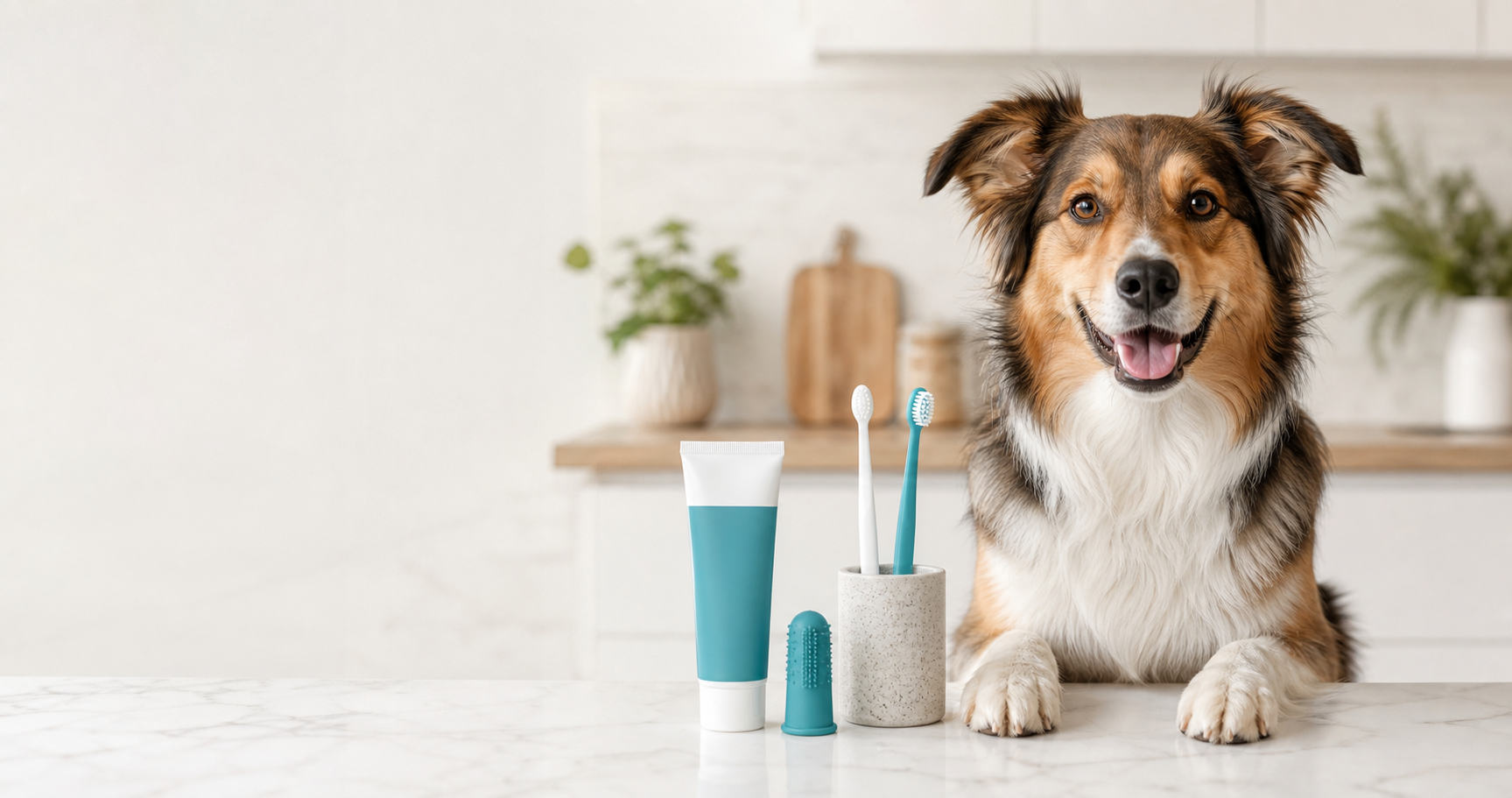
Best overall pick: Jasper 360-Style Finger Toothbrush. For most owners, the best product is not always the most aggressive cleaning tool. It is the one that lets you brush often without turning the routine into a fight. A brush that reaches every surface but makes the dog hide under the table is a poor long-term choice. A gentler tool used consistently is usually the better investment.
If your dog already accepts mouth handling, start with a handled brush or kit. If your dog pulls away, clamps the mouth, or has never been brushed, start with a finger brush, dental wipe, or toothpaste-tasting routine before expecting a full brushing session.
How we judged these products
For this review, the scoring criteria are practical rather than cosmetic. A dog dental product needs to be safe, easy to introduce, and useful in the specific mouth it is going into. We looked at brush-head size, handle control, softness, starter value, whether the product fits puppies or small dogs, whether it can reach back teeth, and whether it pairs naturally with dog-safe toothpaste.
- Fit: the brush head should not stretch the cheek or jab the gumline.
- Control: the owner should be able to apply light pressure without guessing.
- Training value: nervous dogs often need a bridge tool before a normal toothbrush.
- Maintenance value: the product should support a routine several times per week.
- Buying clarity: a product should solve a clear problem instead of adding clutter.
Recommended products
Jasper 360-Style Finger Toothbrush
Best for: dogs that hate regular toothbrushes or owners starting mouth-handling training
A finger toothbrush can be the bridge between no brushing and regular brushing. It gives the owner direct pressure control and feels less like a tool entering the mouth. It is not always the best long-term answer for back teeth, but it is one of the most useful training formats.
Pros
- Less intimidating than a long handle
- Good pressure control
- Helpful for puppies and nervous dogs
Cons
- Limited reach on back molars
- Not safe if the dog bites fingers hard
Vet’s Best Dog Toothbrush and Enzymatic Toothpaste Kit
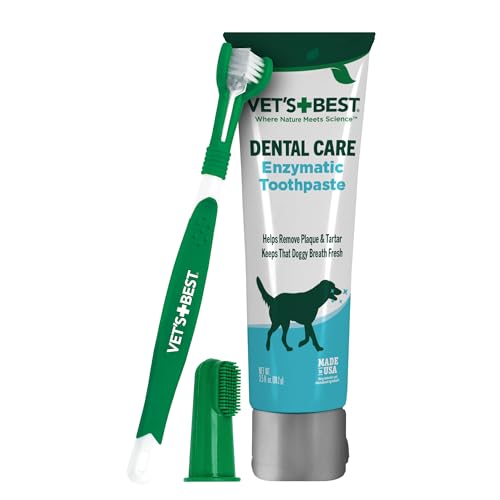
Best for: owners who want a toothpaste-and-brush kit with an enzymatic-style cleaning routine
Vet’s Best is useful when you want a bundle that feels more like a complete routine than a single toothbrush. The toothpaste can help make brushing more acceptable because flavor and texture matter a lot to dogs. This is especially helpful when the owner needs a simple kit for two or three short sessions per week.
Pros
- Includes toothpaste and brush tools
- Good for routine building
- Easy Amazon purchase path
Cons
- Flavor acceptance depends on the dog
- Owners still need to introduce the brush gradually
Virbac C.E.T. Oral Hygiene Kit
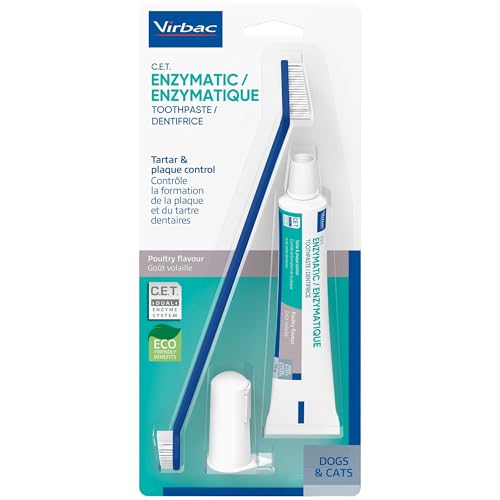
Best for: owners who want a reliable starter kit with a familiar veterinary dental-care brand
Virbac is a practical first recommendation because it combines a soft toothbrush format with dog-specific toothpaste, so owners do not have to piece together a routine from unrelated products. It is not the fanciest option, but it is easy to understand, easy to replace, and suitable for many adult dogs that need a simple daily routine.
Pros
- Complete starter setup
- Soft enough for most adult dogs
- Good entry point for owners who are new to brushing
Cons
- Brush head may feel large for very tiny dogs
- Not ideal for dogs that panic around handled brushes
Bodhi Dog-Style Dental Wipes
Best for: quick cleaning days, travel, and dogs not ready for full brushing
Dental wipes are a support tool rather than a complete replacement for brushing. They can reduce surface debris and help an owner maintain contact with the mouth while training toward a brush. They are especially useful on days when a full brushing session would become a struggle.
Pros
- Fast and low-stress
- Good for travel
- Useful training bridge
Cons
- Does not reach between teeth as well as brushing
- Can become expensive with daily use
Which product should you buy?
Choose a handled toothbrush or kit if your dog already lets you lift the lip and touch the outer teeth. Choose a finger brush if the dog is anxious, young, small-mouthed, or still learning that mouth handling is safe. Choose wipes as a temporary bridge, travel backup, or low-pressure cleaning option. Choose chews or water additives only as support; they should not be sold to owners as a complete replacement for brushing.
For large dogs, pay attention to handle length and whether the brush can reach the back molars without forcing the mouth open. For small dogs, head size matters more than handle length. For senior dogs or dogs with sensitive gums, softness and pressure control are more important than scrubbing power. If there is bleeding, swelling, loose teeth, or obvious pain, skip product experimentation and call a veterinarian.
Hands-on evaluation notes
A good dog dental product has to pass a very ordinary test: can the owner use it on a tired weekday without creating a negative experience for the dog? That is why we give more weight to comfort, grip, and training value than to marketing claims. A toothbrush with a stiff head or awkward angle may look effective, but if the dog resists after two sessions, it will not deliver real maintenance value. The same is true for wipes, chews, and water additives. They can be useful, but only when the owner understands exactly what problem each product solves.
For brush products, we look for a head shape that can approach the outer tooth surfaces at a shallow angle. Most owners do not need to pry the mouth open or brush the inside surfaces aggressively. For toothpaste kits, we look for dog-safe formulas and simple routines. For chews and additives, we look for realistic positioning: support for breath and routine consistency, not a promise to replace brushing or professional dental care.
Product comparison table
| Product type | Best use | Main limitation |
|---|---|---|
| Handled toothbrush | Routine cleaning once the dog accepts brushing | Can feel intimidating at first |
| Finger toothbrush | Training, puppies, nervous dogs, small mouths | Limited back-tooth reach |
| Toothpaste kit | First-time owners who need a complete setup | Flavor acceptance varies by dog |
| Dental wipes | Quick cleaning, travel, transition routines | Less effective around tight gumline areas |
| Dental chews or additives | Support between brushing sessions | Should not replace brushing |
Pros and cons of this category
The advantage of buying a specialized dog dental product is that it can make the routine easier and safer. Dog brushes are usually softer than human brushes, and kits remove some guesswork for new owners. The downside is that many products are marketed as complete solutions when they are really only one part of a broader oral-care plan. A chew, wipe, or additive may support the routine, but the most meaningful home-care habit is still gentle mechanical cleaning along the gumline.
How to introduce the product
- Let your dog smell the product before it touches the mouth.
- Put a tiny amount of dog toothpaste on your finger and reward calm licking.
- Touch the outside of the lip for one second, then stop.
- Brush one or two front teeth with very light pressure.
- End before your dog becomes frustrated, even if the session feels too short.
Most owners fail because they try to finish the whole mouth immediately. The better approach is to build a habit first and clean more surfaces as the dog becomes comfortable. For a step-by-step routine, read our guide on how to brush a dog’s teeth.
Common buying mistakes
The first mistake is buying a brush head that is too large. The second is using human toothpaste, which dogs should not swallow. The third is assuming that a dental chew solves everything. The fourth is brushing too hard because plaque feels like a scrubbing problem. Dog gums can be sensitive, and pain will make future sessions harder. If your dog resists, the answer is usually a slower introduction, not more force.
When to stop shopping and call a vet
Product reviews can help with maintenance, but they cannot diagnose dental disease. If your dog has strong odor that returns immediately after cleaning, visible swelling, loose teeth, bleeding that is more than a tiny surface spot, pawing at the mouth, dropping food, or chewing only on one side, do not keep buying new tools and hoping one will solve it. Those signs deserve a veterinary exam. A home routine works best after pain and advanced tartar have been addressed.
FAQ
Is the most expensive product always better?
No. The best product is the one that fits your dog’s mouth and your actual routine. A premium brush can be wasted if the dog refuses it, while a simple finger brush can be valuable if it helps you build trust.
Should I buy a kit or separate products?
New owners usually benefit from a kit because it removes guesswork. Experienced owners may prefer separate products because they already know the brush size, toothpaste flavor, and routine their dog accepts.
How soon should I expect results?
Breath may improve quickly, but plaque control is a consistency game. Think in weeks, not one session. If tartar is already heavy, home care may maintain the mouth after professional cleaning rather than remove the buildup on its own.
Final recommendation
For most owners reading this review, start with the gentlest product that solves the immediate problem. If the dog accepts brushing, choose a complete kit or soft handled toothbrush. If the dog resists brushing, choose a finger brush or wipe first. If the dog needs breath support, use chews or water additives as supporting tools while you build the brushing routine. The best product is the one that improves consistency without creating fear.
Affiliate note: product links may be affiliate links. If you buy through them, the site may earn a commission at no extra cost to you.