Best Toothbrush for Senior Small Dogs
Best Toothbrush for Senior Small Dogs explains how dog size changes toothbrush fit, reach, pressure, gum comfort, and the products most likely to work in daily use. This article treats size as a practical constraint. A toothbrush that works for a Labrador can feel huge in a Yorkie mouth, while a tiny brush can be inefficient for a large dog with deep back molars. A useful article should help an owner make a better decision today, but it should also prevent the common mistakes that make dogs hate brushing tomorrow.
Professional summary
The short answer is that dog dental care works best when the product, technique, and dog temperament match. Owners often buy the product with the strongest marketing claim, then give up when the dog refuses it. A better approach is to choose the least stressful tool that can still clean the outer tooth surfaces, then build toward more complete brushing as the dog becomes comfortable.
For most dogs, the priority order is simple: safety first, comfort second, consistency third, and cleaning power fourth. Cleaning power matters, but it does not matter if the dog panics or the owner cannot repeat the routine. This is why a professional recommendation often starts with a softer brush, finger brush, toothpaste-tasting session, or short training plan instead of an aggressive full-mouth scrub.
Who this guide is for
This guide is for owners who want a realistic answer rather than generic advice. It is especially useful if your dog has never had a steady brushing routine, if you are comparing tools before buying, if your dog has a small mouth or sensitive gums, if you are starting with a puppy, or if you need to rebuild trust after a bad brushing experience.
It is not a substitute for veterinary dental care. If your dog has loose teeth, swelling, obvious pain, heavy tartar, bleeding that continues, facial swelling, or trouble eating, the correct next step is a veterinary exam. Home products are maintenance tools. They are not a cure for painful dental disease.
What matters most before you buy or start
- Brush-head size: the head should fit comfortably between the cheek and teeth without stretching the mouth.
- Bristle softness: softer contact is usually better for building a routine and protecting the gumline.
- Handle control: owners need enough control to use light pressure, especially near back teeth.
- Dog-safe toothpaste: never use human toothpaste, and be careful with ingredients dogs should not swallow.
- Training sequence: the first week should build comfort before expecting perfect cleaning.
Recommended tools for this topic
Virbac C.E.T. Oral Hygiene Kit
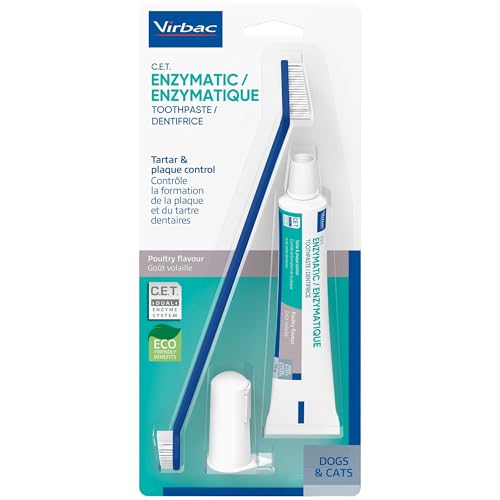
Why it belongs here: a complete starter kit for owners who want a soft brush and dog toothpaste in one purchase.
- Best fit: owners who need a clear next purchase rather than a vague product category.
- Watch out: introduce any tool slowly and stop if your dog shows pain, swelling, or bleeding.
Jasper 360-Style Finger Toothbrush
Why it belongs here: a lower-stress bridge tool for puppies, small dogs, and dogs that resist handled brushes.
- Best fit: owners who need a clear next purchase rather than a vague product category.
- Watch out: introduce any tool slowly and stop if your dog shows pain, swelling, or bleeding.
Vet’s Best Dog Toothbrush and Enzymatic Toothpaste Kit
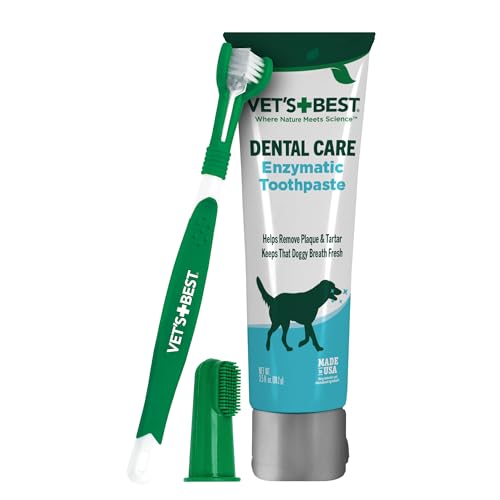
Why it belongs here: a practical toothpaste-and-brush bundle for building a repeatable routine.
- Best fit: owners who need a clear next purchase rather than a vague product category.
- Watch out: introduce any tool slowly and stop if your dog shows pain, swelling, or bleeding.
Decision framework
Start by asking what problem you are solving. If the problem is fear, buy a training-friendly tool such as a finger brush or wipes. If the problem is reach, choose a longer handled brush or a kit with multiple head sizes. If the problem is flavor refusal, work on toothpaste acceptance before blaming the brush. If the problem is inconsistent owner follow-through, choose a simple kit that can live near the dog’s daily routine.
| Situation | Better first choice | Why |
|---|---|---|
| Dog refuses a handled brush | Finger brush or wipe | Less intimidating and easier to pair with rewards |
| Owner is buying for the first time | Brush-and-toothpaste kit | Removes guesswork and creates a complete routine |
| Small mouth or puppy | Small head or finger brush | Reduces crowding and pressure mistakes |
| Large dog with back-tooth plaque | Longer handle or dual-head brush | Improves reach without forcing the mouth open |
| Breath support between brushing | Chews or water additive | Helpful support, but not a substitute for brushing |
Step-by-step method
- Let your dog inspect the tool away from the mouth.
- Offer a tiny taste of dog-safe toothpaste and reward calm behavior.
- Touch the outside of the lip for one second, then stop.
- Lift the lip and touch one or two front teeth with the tool.
- Brush only the outer surfaces at first; do not force the mouth open.
- Stop before the dog becomes frustrated, even if the session feels short.
- Repeat daily or several times per week until the routine feels predictable.
The goal is not to win one heroic brushing session. The goal is to create a habit the dog will allow for years. Short, calm sessions beat dramatic full-mouth attempts that make the dog avoid you the next time the toothbrush appears.
Common mistakes
The most common mistake is buying a tool that is too large or too stiff. The second is trying to brush every tooth during the first session. The third is using human toothpaste. The fourth is relying on chews, wipes, or additives while never building mechanical brushing. The fifth is ignoring pain signals. Resistance is not always stubbornness; sometimes it is discomfort.
Another subtle mistake is changing products too quickly. If your dog rejects a brush once, that does not always mean the product is wrong. It may mean the introduction was too fast. Give the training sequence several short sessions before deciding the product has failed.
How to judge progress
Good progress looks boring. Your dog allows lip lifting. Your dog accepts a small amount of toothpaste. Your dog stays relaxed for a few seconds of tooth contact. Over time, you can reach more teeth with less negotiation. Bad progress looks like hiding, snapping, frantic chewing, repeated bleeding, or escalating stress. When stress increases, reduce the task and rebuild.
Track the routine by behavior, not just by how white the teeth look. Dental disease is not always visible to owners. Better breath, calmer handling, and consistent brushing are meaningful signs, but veterinary checks still matter.
A realistic maintenance schedule
A professional home-care plan should be simple enough that the owner can actually follow it. During the first week, focus on trust: toothpaste tasting, lip lifts, and one or two seconds of tooth contact. During the second week, brush the front and side teeth for a short session, then stop while the dog is still cooperative. During the third and fourth weeks, gradually add the back teeth and begin using the tool that matches the dog’s mouth size and tolerance.
Once the dog accepts the routine, aim for daily brushing if possible. If daily brushing is unrealistic, choose three or four predictable days each week and protect those sessions. Add dental chews, wipes, or water additives only as support. They are most useful when they make the routine easier to maintain, not when they become an excuse to stop brushing entirely.
Quality-control checklist for owners
- Session length: keep early sessions under one minute if your dog is still learning.
- Pressure: use light contact; the bristles should move along the gumline without digging into it.
- Tool condition: replace frayed brushes because bent bristles can irritate gums.
- Storage: rinse brushes thoroughly and let them dry between uses.
- Behavior log: note whether your dog accepts lip lifting, toothpaste, and back-tooth contact.
This kind of checklist may sound basic, but it is what separates a real routine from a product purchase. Most owners do not fail because they bought the wrong item once. They fail because the routine becomes inconsistent, the dog starts resisting, and nobody adjusts the process. A simple weekly review helps you catch that early.
Internal resources
For related guidance, read our best dog toothbrush guide, our step-by-step article on how to brush a dog’s teeth, and our safety guide on dog-safe toothpaste. You can also browse the full By Dog Size section.
FAQ
How often should I brush?
Daily brushing is ideal, but several calm sessions per week are much better than one stressful session that makes the dog resist the next attempt.
Can chews or wipes replace brushing?
They can support the routine, but they do not replace careful brushing along the gumline. Treat them as backup tools or between-session support.
What if my dog will not cooperate?
Go back to handling exercises. Touch the lip, reward, and stop. Then add toothpaste tasting. Then introduce the tool. If your dog shows pain, ask a veterinarian before continuing.
What is the safest buying choice?
The safest first purchase is usually a soft dog toothbrush or starter kit with dog-safe toothpaste. For puppies, small dogs, and anxious dogs, a finger brush can be a better first step.
Final recommendation
Choose the product and method that your dog can tolerate repeatedly. A professional-quality home routine is not built on force; it is built on fit, patience, and realistic owner compliance. If you can make brushing calm, short, and predictable, you are far more likely to protect your dog’s mouth over the long term.
Affiliate note: some product links may be affiliate links. The site may earn a commission at no extra cost to you.